Boost Confidence: Cryopen to Remove Age Spots Chelmsford Effectively
Key Highlights
- Age spots Chelmsford are common skin problems. They happen when you spend too much time in the sun and produce extra melanin.
- Cryotherapy with Cryopen is a safe and effective way to remove age spots without needing surgery.
- Cryopen treatments are quick and cause little pain. This makes them a good choice for clearer skin.
- An age spots removal service can boost your confidence and help you get an even skin tone.
- This treatment can work for many areas of the body, like the face, neck, hands, and back.
- Use Cryopen technology to improve your skin health and achieve flawless results. It is FDA approved.
Do age spots Chelmsford effect your confidence?

Age spots Chelmsford can affect your confidence. They may cause you to feel uneasy about how you look. This concern may lead you to avoid social gatherings or change how you dress. Effective treatments, such as Cryopen, can help remove age spots. These treatments can boost your self-esteem and help you feel more confident.
Please speak to our team today!
Do you feel you look older than your years?
Age spots Chelmsford can make people look older than they are. This can lower their confidence. These spots often result from excessive sun exposure and natural skin ageing. They change how the skin looks and feels, giving it a tired appearance. While age spots are most common in people over 50, younger people can also get them due to sun damage or pigmentation issues.
Improving your skin tone and removing age spots can help you look younger. Treatments like Cryopen can remove these spots without surgery. This can make your skin feel fresh and lively again. When your skin glows with health, you feel and look much younger. A smoother face not only looks good but can also help you feel more energetic and confident every day!
Are you worried about the spread of age spots Chelmsford?

Seeing age spots Chelmsford can be stressful. They start small and far apart. Over time, they can grow larger and become more common, taking up more space on your skin. This usually occurs due to excessive sun exposure, excess skin pigmentation, and ageing. You may be worried about them, which can make you anxious about your skin’s health and appearance.
You can take steps to stop this. It is vital to shield your skin from harmful UVA/UVB rays. You should also consider professional treatments. Cryotherapy, using Cryopen technology, can treat age spots and improve skin health. This technology removes these spots and makes skin imperfections less noticeable. A good plan helps you target age spots and maintain skin health. This can help you feel more in control of your skin, even if you are concerned about new spots appearing later.
Do you want to improve your skin health and remove age spots Chelmsford?
Many people want their skin to be healthy and clear. A significant part of this is removing age spots. These spots can make the skin look uneven and diminish its natural shine. Removing age spots can improve skin health and give you a smoother look.
Cryopen treatment is a new method for removing age spots. It uses nitrous oxide to target pigmented cells. This helps new, healthier skin grow. This treatment not only eliminates spots, but it also improves skin health. It promotes a safe healing process and gives long-lasting results. You will enjoy clearer skin and feel more confident about how you look. With Cryopen, every step toward spotless skin helps you feel better and stay healthy!
Understanding Cryopen Technology for Age Spots Chelmsford Removal
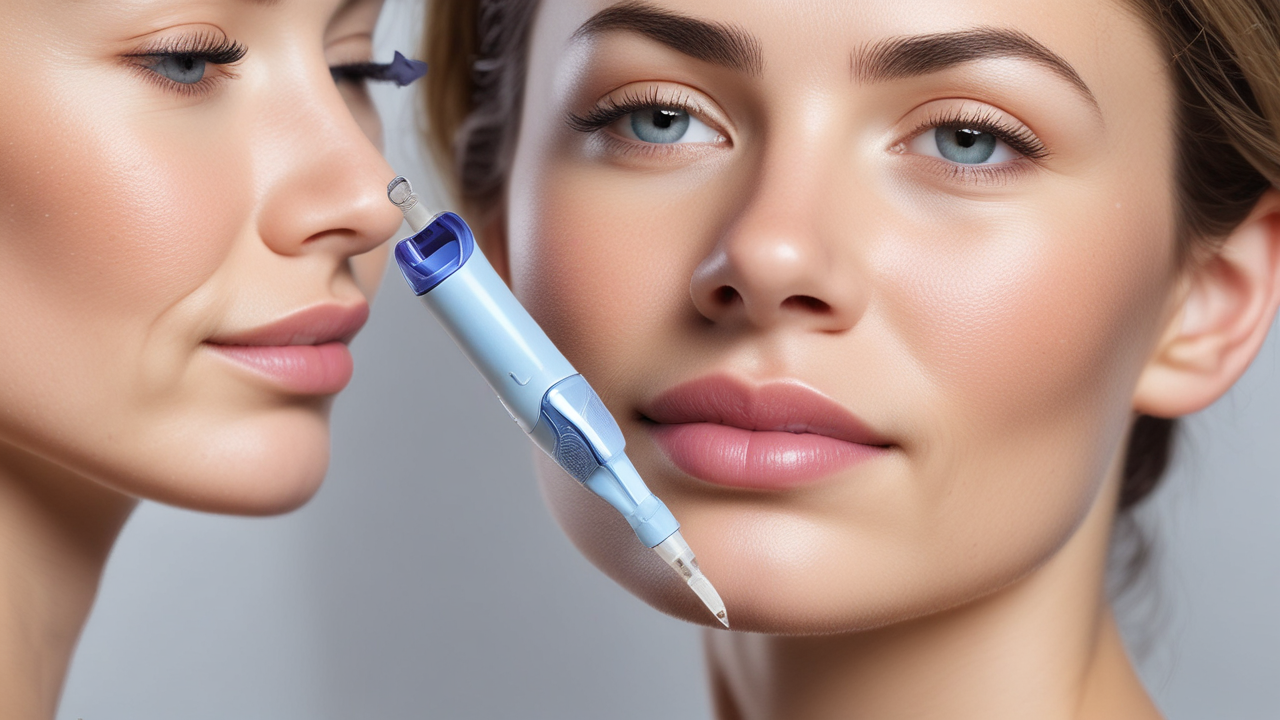
Cryopen technology is a terrific new way to treat skin problems. It focuses on age spots and blemishes. This technique uses a steady flow of nitrous oxide to freeze away skin issues caused by pigmentation.
It is a soft way to treat different parts of the body. You can use it for spots on the face, blemishes on the neck, and other areas. This method offers minimal discomfort and provides excellent results. You can achieve smooth and younger-looking skin. With Cryopen, you can safely improve your skin tone without much effort.
Read More About Cryopen Blemish Removal Treatment Here!
What is Cryopen?

Cryopen is a new cryotherapy device. It helps remove skin problems such as age spots, sunspots, and other pigmentation issues. Cryopen uses a quick freezing method with nitrous oxide. This method effectively treats unwanted marks on the skin.
This method is different from standard treatments. Cryopen provides non-invasive care. It is a good option for people seeking a safe, painless solution. It targets skin cells in specific areas, addressing only the problems. This means the surrounding skin remains unharmed. As a result, you achieve clearer, healthier skin with minimal downtime.
Cryopen does more than remove age spots. It also works well on skin tags, seborrheic keratosis, and other skin issues. This advanced cryotherapy innovation helps bring back your skin’s natural beauty. It addresses common problems that can affect how you feel about your appearance and confidence.
See Our Age Spot Removal Prices Today!
How Does Cryopen Work to Remove Age Spots Chelmsford?
Cryopen treatment is a new method for removing age spots. It uses a gentle spray of nitrous oxide. This spray freezes pigmented skin cells. While these cells break down, the healthy skin remains protected.
The treatment is quick. It starts with a meeting to find the age spots that need attention. When the Cryopen is used, it gently freezes these spots. As your skin heals, you will notice lighter, healthier skin. This easy method works well and can improve your skin tone.
Cryopen offers several advantages over other methods. It accurately targets specific areas and is effective. The process is easy and does not need major surgery. It causes minimal discomfort while delivering noticeable results. This is an effective way to eliminate skin imperfections, helping people feel confident in clear, spot-free skin.
Advantages of Using Cryopen for Age Spots Chelmsford Treatment

Cryopen is a good option for treating age spots because it offers several benefits. It is safe and precise, helping reduce pigmentation while protecting the surrounding skin cells. You will not need much time to recover, so you can return to your usual activities shortly after the treatment.
Cryopen is effective for various skin conditions. It can help with age spots Chelmsford, skin tags, and seborrheic keratosis. It gives you an even skin tone and supports long-term skin health. This advanced technology produces excellent results while protecting your skin.
Learn More About Sun Damage Treatment Here!
Safety and Efficacy of Cryopen
Cryopen technology is safe to use. It targets only age spots and other skin concerns while protecting the surrounding skin. This treatment is non-invasive. It is a safer option with fewer risks than surgery or other intensive therapies.
Many dermatologists trust Cryopen because it is effective. Patients notice clear improvements in their skin tone and feel it is smoother after just a few treatments. When Cryotherapy is used with Cryopen, it helps remove flaws. This results in glowing skin.
Cryopen is generally safe for most people, but it’s a good idea to consult a professional about any concerns or specific side effects. Some common side effects, such as redness and temporary itching, usually resolve quickly. This approach makes sure the treatment plan is handled carefully. Cryopen offers a balanced combination of practical results and low risk, making your skincare journey smoother.
Minimal Downtime and Recovery
One key advantage of Cryopen is its minimal downtime. Other treatments may cause significant pain or take longer to heal. With Cryopen, you can return to your daily activities almost immediately after your session.
During treatment, you may experience a slight tingling sensation. This feeling goes away quickly after it ends. Once it’s done, you can go back to your regular skincare right away, like applying makeup. This makes the treatment simple and easy to fit into your daily routine.
Cryopen offers a range of treatments that can quickly improve your skin’s appearance. Each session helps strengthen your skin’s health and fits easily into your daily routine. If you want good results without changing your routine, Cryopen is the right pick. You can feel safe while noticing clear changes in your skin.
In short, dealing with age spots can boost your confidence and improve your skin. New options, such as Cryopen technology, can help you remove these spots quickly. This treatment is non-invasive so that you can feel confident. It can make you feel younger and more energetic. If you want to enhance your skincare and regain your confidence, consider using Cryopen for age spot removal. Your skin deserves good care—don’t hesitate to learn more or set up a consultation today!